Mapping RNG Cycle Effects on Loyalty Tier Access in Mobile-Based Hybrid Casino Systems
Taylor Keller · Oct 4, 2026
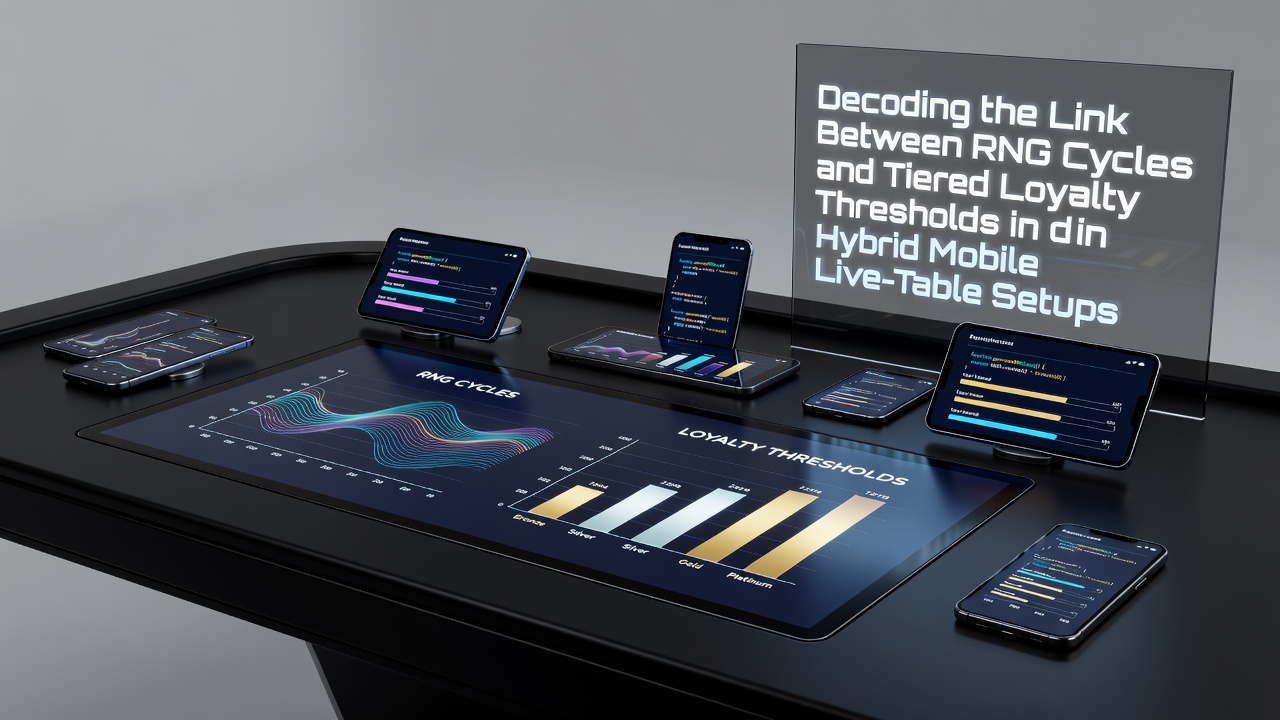
Mapping RNG Cycle Effects on Loyalty Tier Access in Mobile-Based Hybrid Casino Systems
Hybrid mobile casino platforms combine automated slot machines driven by random number generators with live dealer table games, and these systems tie player activity directly to tiered loyalty structures that unlock escalating rewards. Data from regulatory filings shows operators track RNG output sequences to calculate contribution rates toward loyalty points, which in turn determine when users cross thresholds for higher status levels. Observers note that cycles in RNG algorithms often align with payout volatility patterns, and these patterns influence how quickly mobile users accumulate the required activity metrics for tier advancement.
RNG Mechanics in Portable Gaming Environments
Random number generators operate through algorithms that produce continuous sequences of values, and mobile applications integrate these sequences into slot reels and bonus features while maintaining separate real-time feeds for live tables. Research indicates that cycle lengths vary by provider, with some systems resetting every few thousand spins and others extending across millions of iterations, according to technical specifications filed with oversight bodies such as the Nevada Gaming Control Board. Players engage with these cycles through repeated bets on RNG-based games, and the resulting data feeds into centralized loyalty engines that monitor total handle and session duration across both automated and interactive formats.
Hybrid setups require synchronization between RNG outputs and live game logs, since operators apply weighted multipliers to points earned from each category. Figures from industry reports reveal that RNG-heavy sessions contribute at lower rates to loyalty progress compared with live table participation, yet the volume of spins often compensates by generating steady point inflows during extended mobile play periods.
Tier Threshold Structures and Contribution Rules
Loyalty programs segment users into progressive tiers based on cumulative points, and each tier imposes specific activity thresholds that combine RNG play metrics with live table results. Threshold calculations incorporate factors such as average bet size, game type multipliers, and time-based bonuses, which means RNG cycle frequency directly affects how rapidly a user approaches the next level. Those who've studied platform architectures note that operators adjust threshold values seasonally, and October 2026 updates in several jurisdictions reflected recalibrations tied to new RNG certification standards.
Points systems typically assign fixed values per dollar wagered on RNG slots, while live dealer rounds receive variable credits depending on table limits and player decisions. This differentiation creates distinct pathways through the tiers, and mobile users often alternate between formats to optimize their accumulation speed. Evidence from compliance documents shows that crossing a threshold triggers immediate access to enhanced benefits, including priority seating at live tables and accelerated point earning on subsequent RNG sessions.
Interplay Between RNG Patterns and Hybrid Loyalty Progression
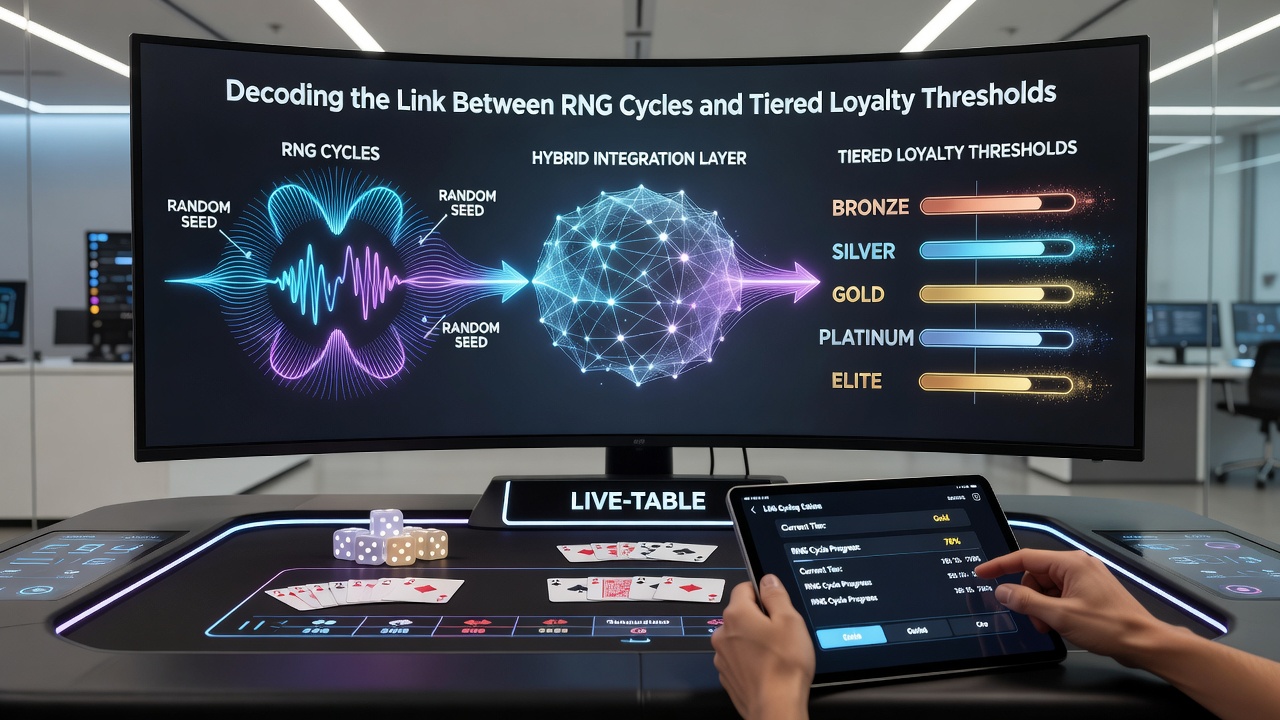
Connections emerge when RNG cycle peaks coincide with bonus rounds that award extra loyalty points, accelerating tier movement in ways that pure live table play cannot replicate. Operators embed detection routines that flag unusual sequence clustering, and these routines help maintain fairness while feeding accurate contribution data into loyalty databases. Analysts observe that mobile interfaces display real-time progress bars, allowing users to see how RNG activity pushes them toward the next threshold without needing separate tracking tools.
Cross-format play introduces additional layers, since time spent at live tables can reset or extend effective RNG cycle influence through shared session multipliers. Reports from the Australian Communications and Media Authority highlight how hybrid platforms in regulated markets maintain separate ledgers for each game type yet merge them for tier calculations. This merging process ensures that neither RNG cycles nor live interactions dominate loyalty advancement exclusively, and the balanced approach sustains engagement across both segments.
Regulatory and Technical Considerations in October 2026
Updates rolled out in October 2026 required operators to document RNG cycle transparency for loyalty program audits, and these requirements stemmed from broader efforts to standardize contribution formulas across mobile hybrid environments. Government agencies in multiple regions now request detailed logs showing how cycle variations correlate with threshold achievement rates. Such documentation helps verify that tier access remains tied to verifiable activity rather than algorithmic manipulation.
Technical integrations rely on APIs that pull RNG state information into loyalty management systems, and developers continue refining these links to handle increasing mobile traffic volumes. Data compiled by the American Gaming Association indicates steady growth in hybrid platform adoption, with loyalty tier progression serving as a key retention metric tracked alongside regulatory compliance.
Conclusion
Connections between RNG cycles and tiered loyalty thresholds in hybrid mobile live-table setups rest on measurable contribution rules, synchronized data flows, and regulatory oversight that continues evolving. Platform operators apply consistent weighting across game formats, and users navigate these structures through combined play strategies. Ongoing documentation requirements ensure transparency while supporting the technical infrastructure that powers reward progression in these environments.