Portable Technology's Role in Evolving Prize Tiers for Machine-Based and Live-Action Casino Offerings
Theo Hoffmann · Nov 1, 2026
Portable Technology's Role in Evolving Prize Tiers for Machine-Based and Live-Action Casino Offerings
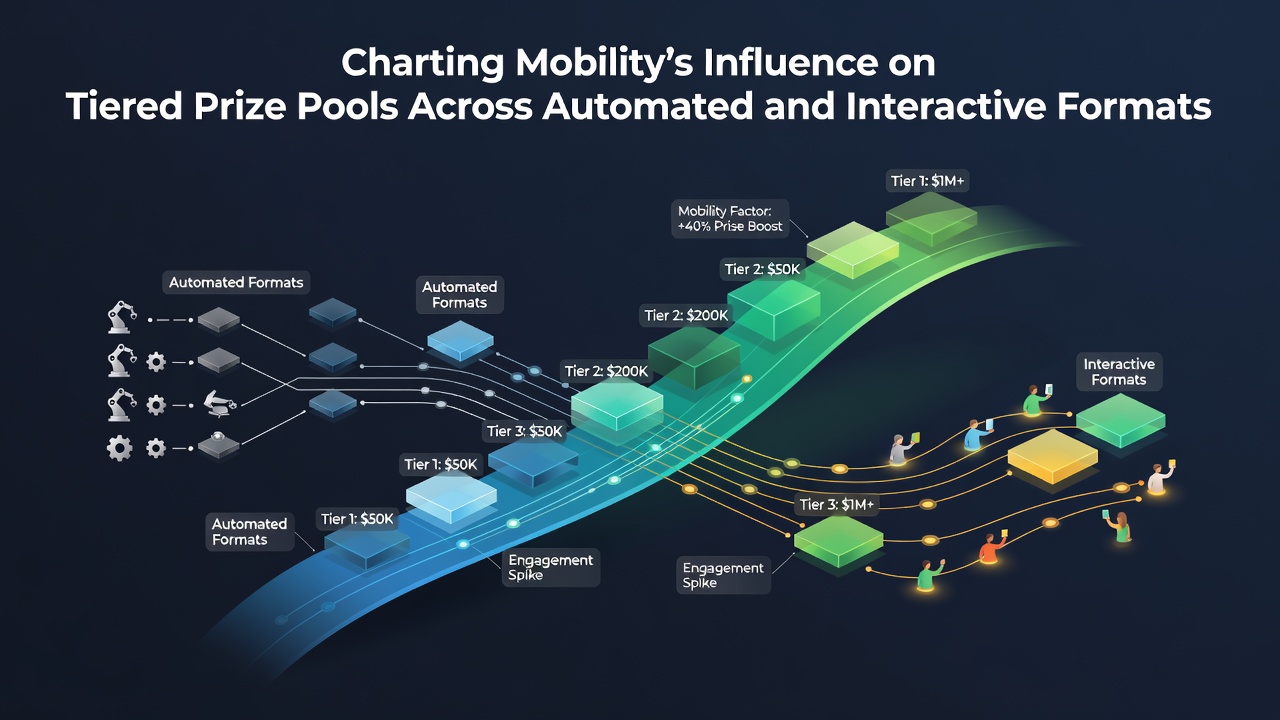
Portable devices continue to reshape how operators structure tiered prize pools in both automated slot environments and interactive table formats, with access patterns and transaction speeds playing central roles in reward distribution. Data from multiple jurisdictions shows increased participation rates among mobile users, which in turn influences how prize ladders are calibrated across game types.
Shifts in Access and Pool Mechanics
Automated formats rely on random number generators to populate base pools, yet mobile connectivity allows players to enter multiple sessions without fixed location constraints, and this flexibility has led operators to adjust entry thresholds for higher tiers. Interactive formats incorporate live dealer feeds that sync with mobile interfaces, creating opportunities for real-time contributions to shared pots while participants move between devices or networks.
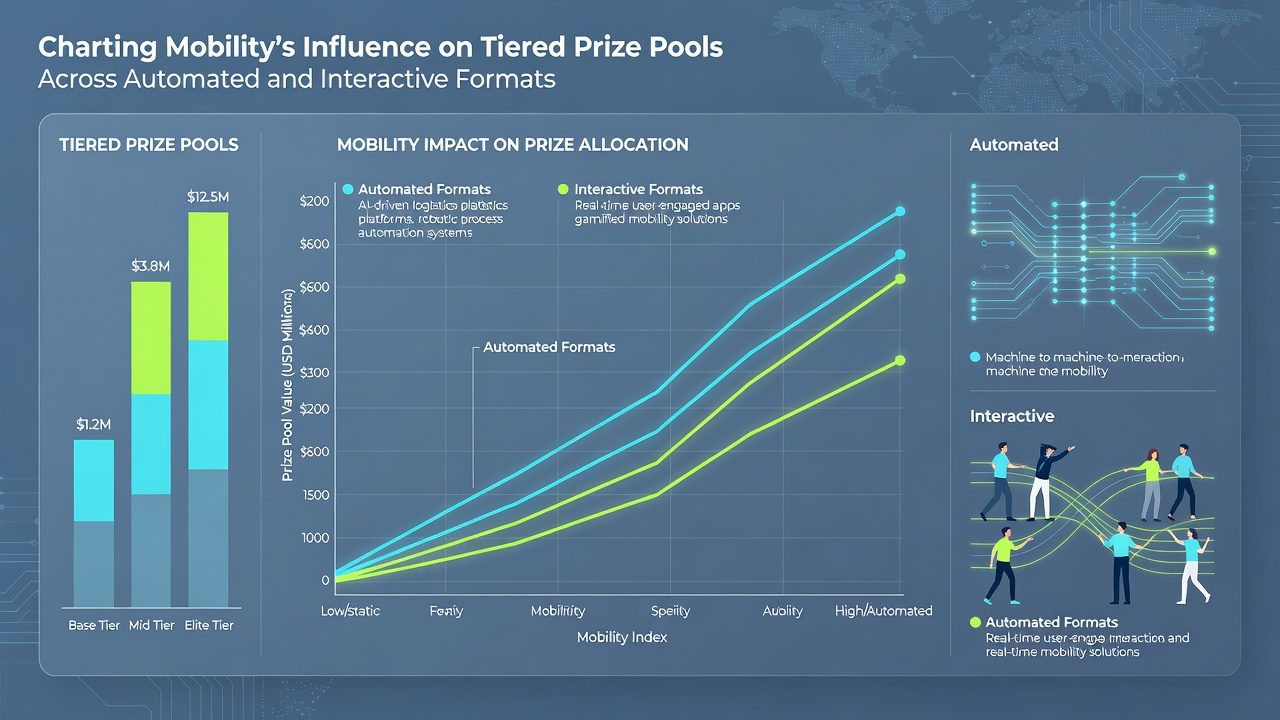
Observers note that transaction velocity on portable platforms often determines eligibility for elevated prize brackets, since instant deposits via digital wallets can accelerate accumulation toward required volumes. Research from industry tracking services indicates that mobile sessions now account for over 60 percent of total play volume in hybrid markets, prompting recalibrations in how pools escalate from bronze to platinum levels.
Comparative Patterns Across Formats
Slot-based systems distribute rewards through progressive multipliers that grow with each automated spin, and mobile users frequently trigger these increments at higher rates because session continuity remains unbroken during commutes or travel. Live table environments, by contrast, tie prize tiers to betting frequency and duration, with mobile apps providing notifications that keep participants engaged even when away from primary screens.
But here's the thing: cross-format data reveals that players who alternate between automated reels and interactive tables on the same device accumulate tier points faster, since unified loyalty ledgers merge contributions from both categories. Studies compiled by the National Council on Problem Gambling in the United States have documented these merged tracking systems in several state-regulated markets, showing measurable differences in reward velocity between mobile and desktop cohorts.
Regional Data Trends Through Late 2026
Figures released for November 2026 highlight continued expansion in mobile-driven entries to tiered pools, particularly in markets where 5G coverage supports seamless live streaming. Australian regulatory summaries from the same period report elevated mobile contributions to progressive jackpots in automated games, while interactive formats saw parallel gains in table-side prize escalations tied to app-based side bets.
Canadian provincial reports similarly track how portable platforms affect eligibility windows, with operators noting that shorter, repeated mobile sessions often outpace traditional desktop play in reaching mid-tier thresholds. These patterns hold across different regulatory frameworks, suggesting the influence stems more from device capabilities than from jurisdiction-specific rules.
Integration of Payment and Tracking Systems
Digital settlement methods integrated directly into mobile casino interfaces reduce friction between deposits and prize pool contributions, allowing automated formats to credit wins instantaneously and interactive sessions to update live standings without manual reconciliation. Operators in several Asian markets have adopted unified ledgers that feed both reel progressions and table-based multipliers, creating hybrid reward paths that reward cross-format activity.
What's interesting is how these systems handle tier resets: mobile users who maintain consistent activity across automated and interactive titles encounter fewer interruptions in their progression curves, according to aggregated operational metrics shared at industry conferences. External analyses from the Singapore Tourism Board gaming division have corroborated these continuity benefits in regional data sets spanning the first three quarters of 2026.
Conclusion
Portable technology continues to recalibrate the mechanics of tiered prize pools by altering participation rates, session continuity, and contribution speeds in both automated and interactive casino formats. Regional figures through November 2026 demonstrate consistent growth in mobile-driven activity, while unified tracking mechanisms merge performance across game categories. Operators adjust structures accordingly, and available data from multiple sources supports these ongoing adaptations without indicating uniform outcomes across all markets.